
Osteoarthritis (OA)
This is more common as we age and is where the cartilage (a smooth structure that allows normal function in joints) breaks down, leading to pain, stiffness and reduced range of movement in the joint and, later, swelling. The body cannot repair cartilage but tries to repair it by forming new bone.
OA is often referred to as “wear and tear”, but this term is now being challenged as the cause of OA is now known to be multifactorial. So, for example, contrary to popular belief, runners are less prone to knee OA than non-runners. Exercise is needed to keep cartilage healthy!
Primary OA occurs with no clear direct cause whilst secondary can be attributed to previous injuries – for example, a previous anterior cruciate ligament (ACL) rupture in the knee usually leads to OA.
Common areas affected are hips, knees, lower back and neck, shoulder, thumb and fingers and big toe joints. Interestingly, ankles are rarely affected (despite taking high loads) unless previously fractured.
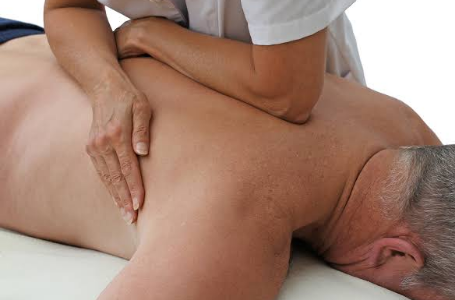
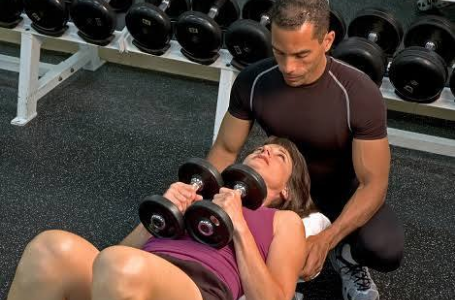
OA can lead to great disability and there is no cure (yet!). Soft tissue can also be affected, with muscles supporting the joint weakening and wasting away. However, physiotherapy can provide exercise, manual therapy and other interventions to maximize function and help reduce pain.
OA can be identified on x-rays; however, a diagnosis can usually be made without an x-ray.
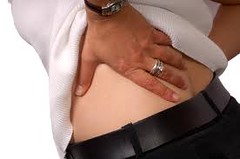
Low Back Pain (LBP)
This is a very common problem and again the cause is multifactorial but is more common with age, obesity and general lack of fitness. Despite its prevalence and significant cause of disability, less than 1% are considered serious pathology, such as fracture, infection or tumours. Cauda equina syndrome (CES), where the nerve roots feeding the bladder and bowel are impinged, is also a serious but rare consequence of LBP and needs to be treated urgently to avoid a lifetime of incontinence. Physiotherapists are trained to identify possible “red flags” with LBP when consulting with a patient and to refer on for further medical evaluation if necessary. Some conditions may masquerade as LBP but are not.
Most LBP is considered non-specific in that not one structure is a single cause but a mixture, such as ligaments, tendons, discs, osteoarthritis in the bony joints. Imaging such as x-rays and MRIs are rarely useful.
More specific causes can be radicular pain (sciatica) where a nerve root is irritated, causing severe pain down the back of the thigh, usually going below the knee. Sometimes this may be from a prolapsed or herniated disc (note: discs do not slip!). Axial spondyloarthritis (axSpa) is a form of arthritis that can be evident in younger patients and can cause morning stiffness lasting more than 30 minutes and affect the pelvic area. Symptoms usually improve with movement.
The Core Stability Myth
It was thought a weak core was a major cause of LBP, but we now know this is rarely the case. In fact, people with LBP, especially when chronic, tend to have an overactive core and are unable to relax so the last thing they need are core stability exercises! They can also display aberrant movement patterns which need to be addressed as they perpetuate the LBP.
Exercise, general and back specific (which may include Pilates), graded exposure to restore normal movement patterns to take the fear out of moving and education to understand their condition is the way forward. Some manual therapy and soft tissue massage can also be helpful.
Tendinopathy
As we age tendon resilience and health tend to decline and can lead to pain and reduced function in the ankle area (Achilles and tibialis posterior), lateral hip (gluteus medius), shoulder (rotator cuff) and elbow (tennis and golfer’s elbow). Tendons attach muscles to bone and through contraction of muscles create movement.
Tendinopathy is an umbrella term for pain and dysfunction in a tendon and was termed tendinitis (and this term is still erroneously used) but we now know that tendons do not have a typical inflammatory response when injured. Previously, steroid injections were used into tendons, but this practice should now not be done and for tennis elbow research indicates that it is worse than doing nothing!
Tendon health is also affected by general health and can be adversely affected by conditions such as diabetes, hormonal imbalances, thyroid dysfunction and high cholesterol. Some antibiotics can also cause Achilles tendinopathy.
Tendinopathy can also be caused by sudden overload or a change in activity intensity. Treatment centres around de-loading and then gradually reloading to restore function. Manual therapy can also be useful.
Previously, tendinopathy was known as tendinitis (and it is still often referred to in this way) but we now know that it is ostensibly not an inflammatory condition. The worse treatment you can have is a steroid injection into the tendon.
Plantar fasciitis, again not primarily inflammatory and now termed plantar fasciopathy or plantar heel pain (an umbrella term) can be treated like a tendinopathy but is very stubborn to heal and can be misdiagnosed. Pain is usually on the medial (inside) area of the plantar heel and is very painful on the first few steps in the morning (as there’s a sudden stretch of the plantar fascia). Like tendinopathy it is more common in older people, those who are obese and spend a lot of time on their feet (many years ago it was termed “policeman’s heel”).
To find out more about our services or to make an appointment, call us on 01305 250507 or email info@dorchesterphysio.co.uk